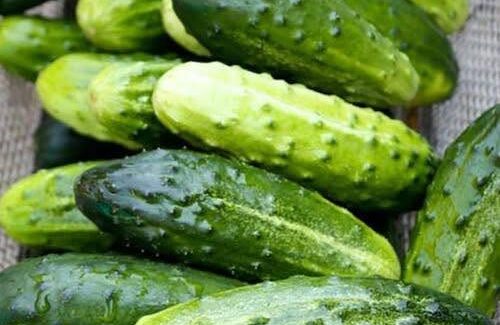
Why Are English Cucumbers Wrapped in Plastic? The Surprising Reason Explained
If you’ve ever wandered through the produce section and noticed those long, slender cucumbers wrapped tightly in plastic, you might have had the same reaction many shoppers do — a mix of curiosity and mild environmental guilt. Why on earth would a vegetable need plastic packaging? As it turns out, there are some genuinely practical reasons behind it, and once you understand them, it actually makes a lot of sense.
English cucumbers, also known as seedless cucumbers or hothouse cucumbers, are the variety most commonly sold wrapped in plastic. They’re longer and smoother than regular field cucumbers, with thinner skin and fewer seeds. And that thin skin is actually the key to the whole plastic-wrapping mystery.
What Makes English Cucumbers Different?
Unlike the typical garden-variety cucumber with its thick, waxy skin, English cucumbers have a much more delicate exterior. That thin skin is wonderful for eating — you don’t need to peel them, and they have a milder, slightly sweeter flavor. But that same delicate skin makes them far more vulnerable to moisture loss, bruising, and spoilage.
Without a protective wax coating like regular cucumbers have, English cucumbers are essentially exposed and fragile once harvested. This is where the plastic wrap steps in to do a very important job.
The Plastic Wrap Actually Preserves Freshness
The plastic wrapping acts as a natural substitute for the waxy skin that English cucumbers lack. It seals in moisture and slows down the natural process of transpiration — which is basically the cucumber losing water through its skin. Studies have shown that a plastic-wrapped English cucumber can last up to ten days longer than an unwrapped one. That’s a significant difference when it comes to reducing food waste at home and in stores.
The wrap also protects the delicate skin from physical damage during transportation and handling. Every time a cucumber is moved, stacked, or grabbed by a shopper, the risk of bruising increases. The plastic creates a gentle barrier that keeps the cucumber looking and tasting fresh from the farm to your kitchen counter.
Is the Plastic Wrap a Sustainability Problem?
This is a completely fair question, and it’s one that many environmentally conscious shoppers wrestle with. On the surface, wrapping a vegetable in single-use plastic feels wasteful. However, the environmental equation is more complicated than it appears.
When you factor in food waste, the plastic wrap can actually have a net positive environmental impact. Food waste is one of the largest contributors to greenhouse gas emissions globally. If plastic wrapping means that significantly fewer cucumbers end up rotting in the bin — both in stores and in homes — the overall carbon footprint can actually be lower than selling them unwrapped. It’s one of those counterintuitive situations where the packaging genuinely earns its place.
Should You Buy Plastic-Wrapped or Unwrapped Cucumbers?
- Please Head On keep on Reading