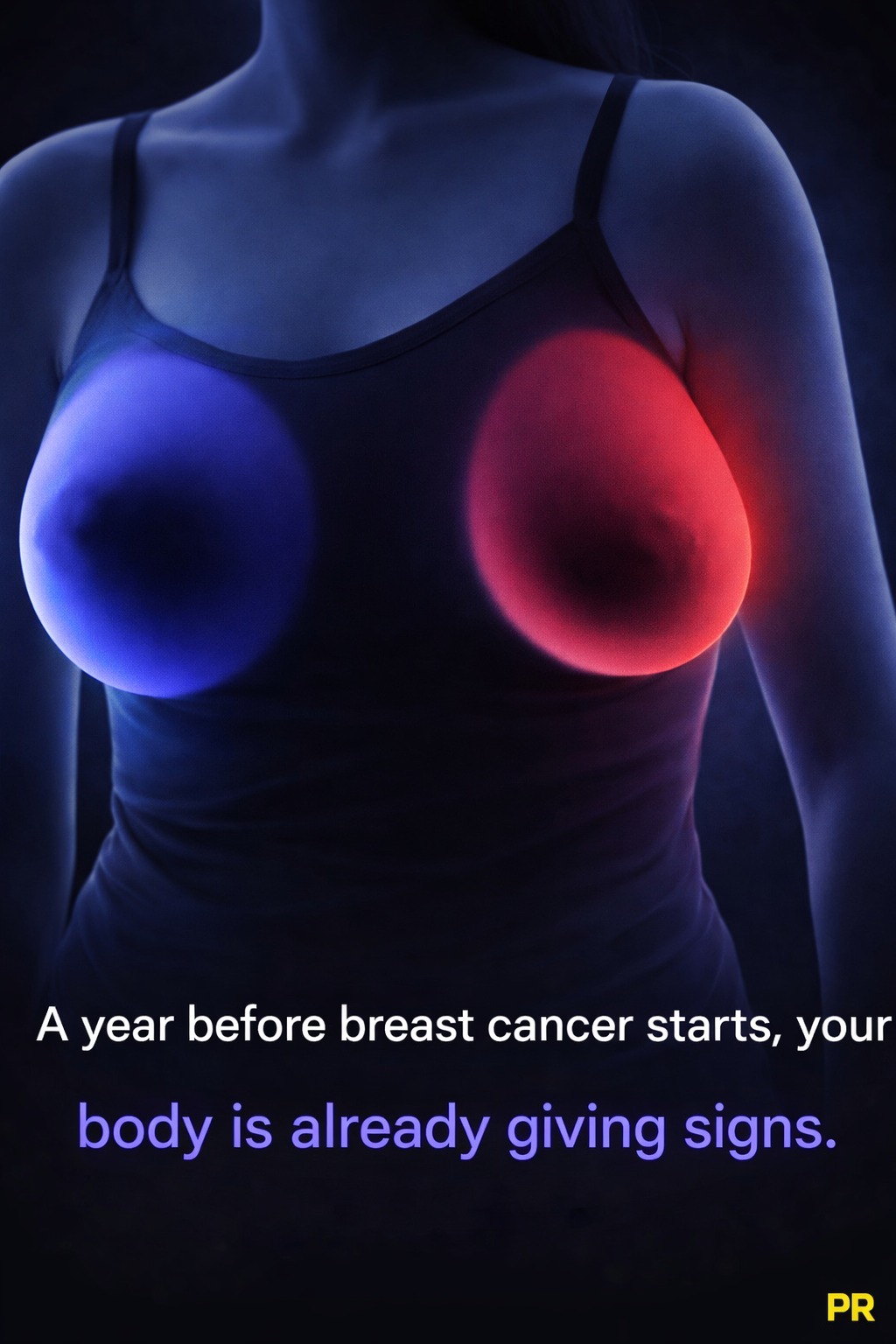
3. Skin Changes That Seem Minor
The skin over the breast can sometimes show early signs, such as:
- Slight dimpling or puckering
- Redness that doesn’t resolve
- A texture resembling orange peel
While these signs can have other causes, persistent changes should never be ignored.
4. Nipple Sensitivity or Changes
Changes in the nipple area can appear before more obvious symptoms. These may include:
- Increased sensitivity or discomfort
- Mild inversion (turning inward)
- Unusual dryness, flaking, or irritation
In some cases, discharge may occur, even without pressure.
5. Unexplained Fatigue
Fatigue is one of the most overlooked symptoms. While it’s common in everyday life, persistent, unusual tiredness—especially when paired with other subtle signs—can sometimes reflect deeper changes in the body.
6. Swelling or Fullness in the Underarm
The lymph nodes under the arms play a role in immune defense. Swelling in this area, even without a noticeable breast lump, can sometimes occur early.
This might feel like:
- A small, tender swelling
- A sense of fullness or tightness
Why These Signs Are Often Missed
Many of these symptoms are easy to dismiss because they overlap with everyday experiences—hormonal shifts, minor infections, or skin irritation. That’s why consistency and persistence matter more than intensity.
One unusual symptom might mean nothing. But a change that lingers or evolves deserves attention.
The Importance of Early Awareness
Early detection remains one of the most powerful tools in managing breast cancer. Regular self-exams, routine screenings, and paying attention to your body’s patterns can make a meaningful difference.
If something feels off, even if it seems small, it’s always worth discussing with a healthcare provider. Trusting your instincts about your own body is not overreacting—it’s being proactive.