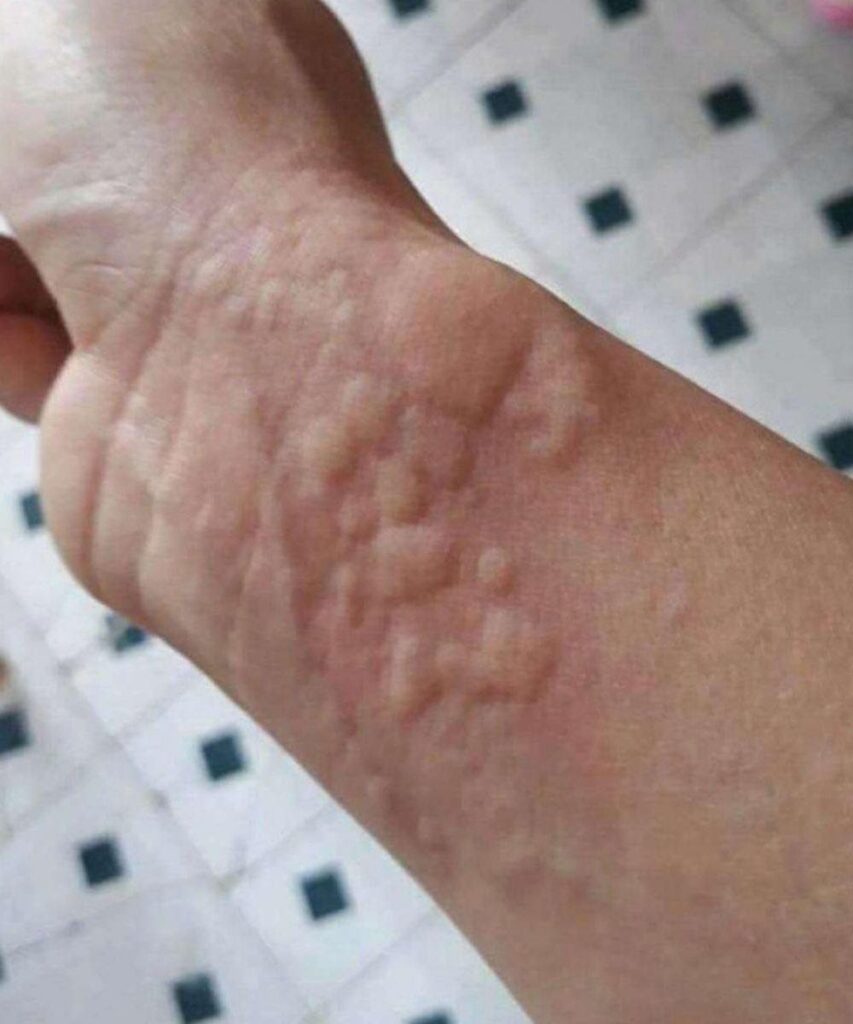
Common Skin Reactions While Sleeping
1. Nighttime Itching (Nocturnal Pruritus)
Many people notice their skin feels itchier at night. This can happen because:
- The body releases different hormones during sleep
- Skin loses more moisture overnight
- There are fewer distractions, making itching more noticeable
Dry skin, allergies, or conditions like eczema can make this worse.
2. Sweat-Related Irritation
Even if you don’t feel hot, your body can sweat during sleep. This can lead to:
- Clogged pores
- Heat rash
- Increased irritation in sensitive areas
Sleeping in heavy fabrics or warm rooms can make this more likely.
3. Contact Dermatitis
Your pillowcases, sheets, or even laundry detergent may trigger reactions. Common culprits include:
- Fragranced detergents
- Fabric softeners
- Synthetic materials
These can cause redness, itching, or small bumps where your skin touches the fabric.
4. Acne and Breakouts
Nighttime conditions can contribute to acne:
- Oil and sweat build up on the skin
- Bacteria accumulate on pillowcases
- Makeup residue left on overnight clogs pores
This is why breakouts often appear after poor nighttime skincare habits.
5. Pressure and Friction Irritation
Sleeping on one side of your face or body can create repeated pressure and rubbing. This may lead to:
- Redness or irritation
- Worsening of existing skin conditions
- “Sleep lines” or temporary creases
Over time, friction can also affect skin texture.
6. Allergic Reactions
Dust mites in bedding are a common trigger for nighttime skin issues. They can cause:
- Itching
- Red patches
- Worsening of eczema or sensitive skin
How to Prevent Skin Reactions While Sleeping
1. Keep Bedding Clean
Wash sheets and pillowcases regularly using mild, fragrance-free detergents. This reduces allergens and bacteria.
2. Choose Breathable Fabrics
Opt for natural materials like cotton, which allow your skin to breathe and reduce sweating.
3. Maintain a Nighttime Skincare Routine
- Cleanse your face before bed
- Remove all makeup
- Use a gentle moisturizer to prevent dryness
4. Control Room Temperature
A cooler sleeping environment helps reduce sweating and irritation.
5. Stay Hydrated
Drinking enough water supports your skin’s moisture balance overnight.
6. Address Skin Conditions
If you have eczema, allergies, or persistent irritation, using appropriate treatments before bed can prevent flare-ups.
When to Seek Medical Advice
If nighttime skin reactions are severe, persistent, or worsening, it may be a sign of an underlying condition. A healthcare professional or dermatologist can help identify triggers and recommend proper treatment.
Final Thoughts
Your skin doesn’t simply “rest” while you sleep—it works hard to repair and renew itself. However, factors like sweat, allergens, and prolonged contact with fabrics can lead to unwanted reactions.
By creating a clean, comfortable sleep environment and maintaining good skincare habits, you can turn your nighttime routine into an opportunity for healthier, happier skin—so you wake up feeling as refreshed as you should.