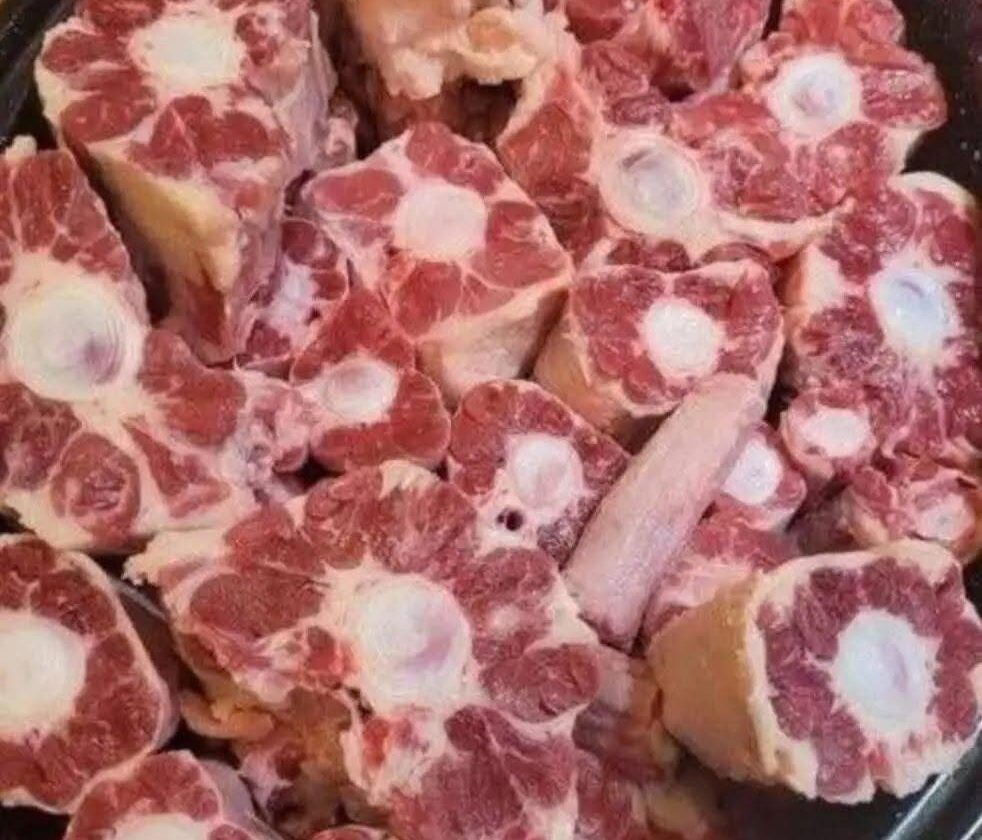
If you have ever stood at the butcher counter or looked into a mystery freezer bag and wondered, “What cut of meat am I looking at?”—you are not alone. Navigating the world of butchery can feel like learning a second language.
The secret to identifying any mystery cut of meat comes down to decoding three visual clues: bone structure, muscle grain, and the distribution of fat and connective tissue. Once you know what to look for, you can unlock the perfect cooking technique to turn that mystery cut into a spectacular meal.
The 3-Step Identification Guide
Before deciding on a recipe, take the meat out of its packaging, pat it dry, and look for these telltale anatomical markers:
1. Look at the Bone
Bones are the ultimate map of where the cut came from on the animal.
-
T-Shaped Bones: This signifies a short loin cut (like a T-Bone or Porterhouse steak). It contains a tenderloin on one side and a strip steak on the other.
-
Round, Central Bones: A perfectly circular bone surrounded by a thick band of muscle usually indicates a cross-cut shank (leg) or an arm roast.
-
Irregular, Flat Bones: This generally points to a shoulder cut (like a pork butt or beef chuck roast).
2. Examine the Grain and Marbling
Look at the direction the muscle fibers are running.
-
Coarse, Thick Grains: If the meat fibers look like thick cords running parallel to each other (think Flank or Skirt steak), the meat comes from a heavily worked muscle. It will be incredibly flavorful but tough if sliced incorrectly.
-
Fine, Smooth Grains: If the texture looks tight, uniform, and smooth, it comes from a non-weight-bearing muscle (like the tenderloin), meaning it is naturally tender.
-
White Flecks (Marbling): Intramuscular fat flecks mean juice and flavor. Heavy external fat caps are great for roasting, while internal web-like marbling is ideal for high-heat searing.
3. Check for Silverskin and Cartilage
If you see thick, white, rubbery bands (tendons) or a glossy, iridescent membrane (silverskin), you are dealing with a cut that requires long, slow cooking to break down the tough connective tissues.
Match Your Mystery Cut to the Perfect Recipe Idea
Once you have categorized your meat by its texture and bone structure, match it to one of these three foolproof cooking styles:
Please Head On keep on Reading (>)