How to Minimize Dark Bones
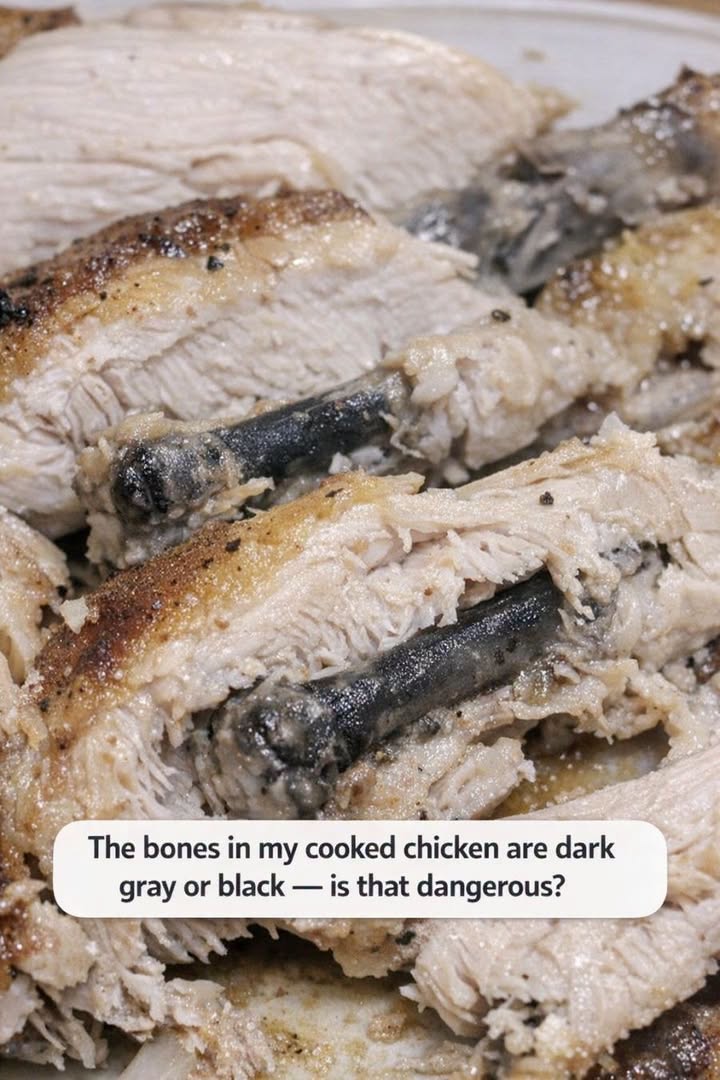
While it is 100% safe to eat, it can definitely ruin the aesthetic presentation of your dish. If you want to avoid this look in the future, try these quick culinary adjustments:
-
Buy Fresh, Never Frozen: Whenever possible, purchase fresh chicken from a local butcher that has never undergone the industrial freezing process, as freezing is the primary catalyst for marrow seepage.
-
Opt for Slow Braises or Sauces: Utilizing cooking methods that feature heavy sauces—such as a slow-cooked tomato-based braise or curries—naturally masks any marrow discoloration so it isn’t noticeable on the plate.
-
Go Boneless: If the look of gray bones truly turns your stomach, switching to boneless chicken thighs or breasts entirely eliminates the problem.
How to Realistically Tell if Chicken is Bad
Since bone color is not an indicator of bad meat, you should rely on standard food safety checks to determine freshness.Toss your chicken out if you notice any of these true warning signs:
-
The Smell: Fresh chicken has a very neutral odor. A sour, pungent, ammonia-like, or sulfurous smell is an immediate red flag.
-
The Texture: Raw chicken should feel moist, but if it feels distinctly slimy, sticky, or tacky even after rinsing, bacteria has begun to multiply on the surface.
-
The Expiration Date: Never ignore the “use by” or “sell by” dates on the packaging.
Rest assured, that dark marrow is packed with nutrients and is a normal byproduct of modern food preservation. Take a deep breath, verify your cooking temperature, and enjoy your dinner!