As the body crosses the milestone of age 50, a quiet transformation happens beneath the surface. While graying hair or changes in joint flexibility get plenty of attention, the internal organs are also shifting gears. In particular, the kidneys—the body’s sophisticated dual-filtration system—naturally begin to lose some of their efficiency over time.
The kidneys work tirelessly 24/7 to filter waste, manage blood pressure, balance essential fluids, and regulate red blood cell production. Because kidney decline often happens quietly without any early symptoms, protecting these vital organs becomes an absolute priority in our fifties and beyond.
Fortunately, supporting renal longevity doesn’t require a radical lifestyle overhaul. Incorporating these seven simple, highly effective habits into a daily routine can keep your kidneys filtering smoothly for years to come.
1. Rethink Daily Hydration (Quality Over Quantity)
While staying hydrated is crucial for flushing out toxins, the old advice to rigidly chug eight glasses of water a day isn’t a one-size-fits-all rule. After 50, the body’s natural thirst mechanism can become less sharp.
Instead of waiting until you are parched, aim for a consistent intake of fluids throughout the day. A great rule of thumb is to look at the color of your urine—it should be a pale, straw-like yellow. If it’s dark amber, you need more water; if it’s completely clear, you might be overdoing it.
2. Treat Pain Differently: Minimize NSAIDs
One of the most profound but least talked about hazards to kidney health over 50 is the frequent use of over-the-counter pain relievers. Nonsteroidal Anti-inflammatory Drugs (NSAIDs), such as ibuprofen and naproxen, work by reducing blood flow. While this blocks pain signals in a sore joint, it also drastically restricts blood flow to the kidneys.
Chronic or heavy use of these medications can stress the kidneys and accelerate decline. Whenever possible, manage minor aches with alternative treatments like heat therapy, gentle stretching, or kidney-friendly alternatives recommended by a physician.
3. Keep a Steady Eye on Blood Pressure
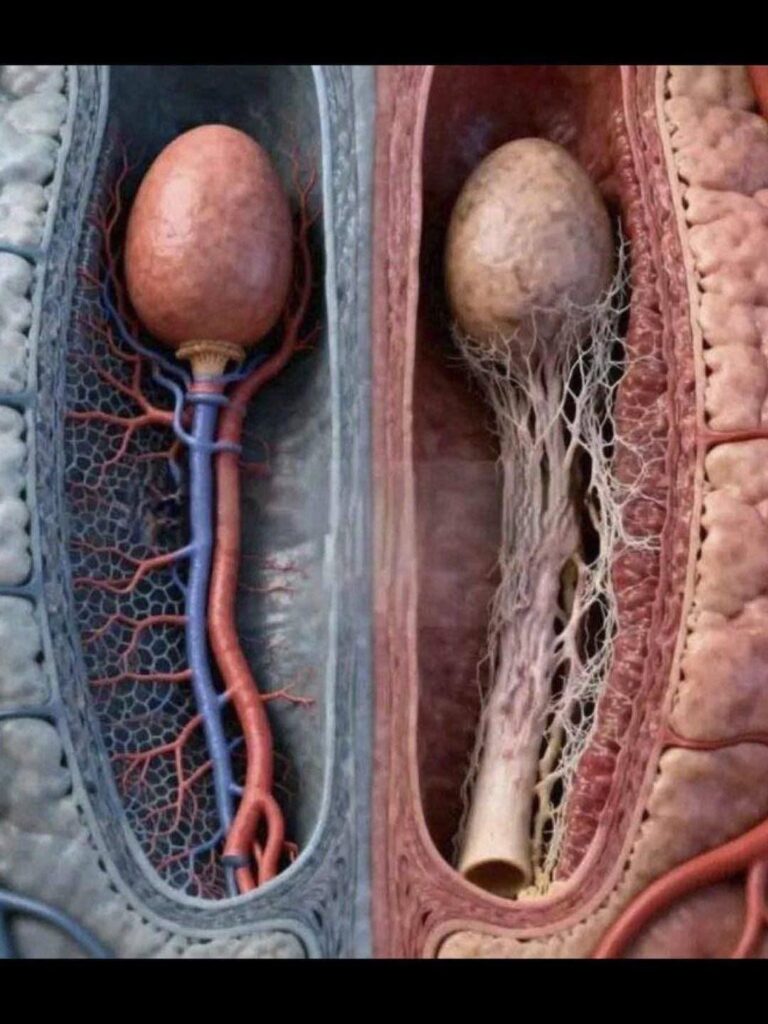
High blood pressure (hypertension) is the second leading cause of kidney failure. The kidneys are packed with dense webs of tiny, delicate blood vessels called glomeruli. When blood pressure remains consistently high, it stretches and scars these fragile vessels, compromising the organs’ ability to filter waste.
Checking blood pressure regularly—either at home or during routine checkups—is essential. Aiming for a target numbers guideline provided by a doctor ensures that the kidneys are never subjected to undue internal strain.
4. Become Savvy About…..