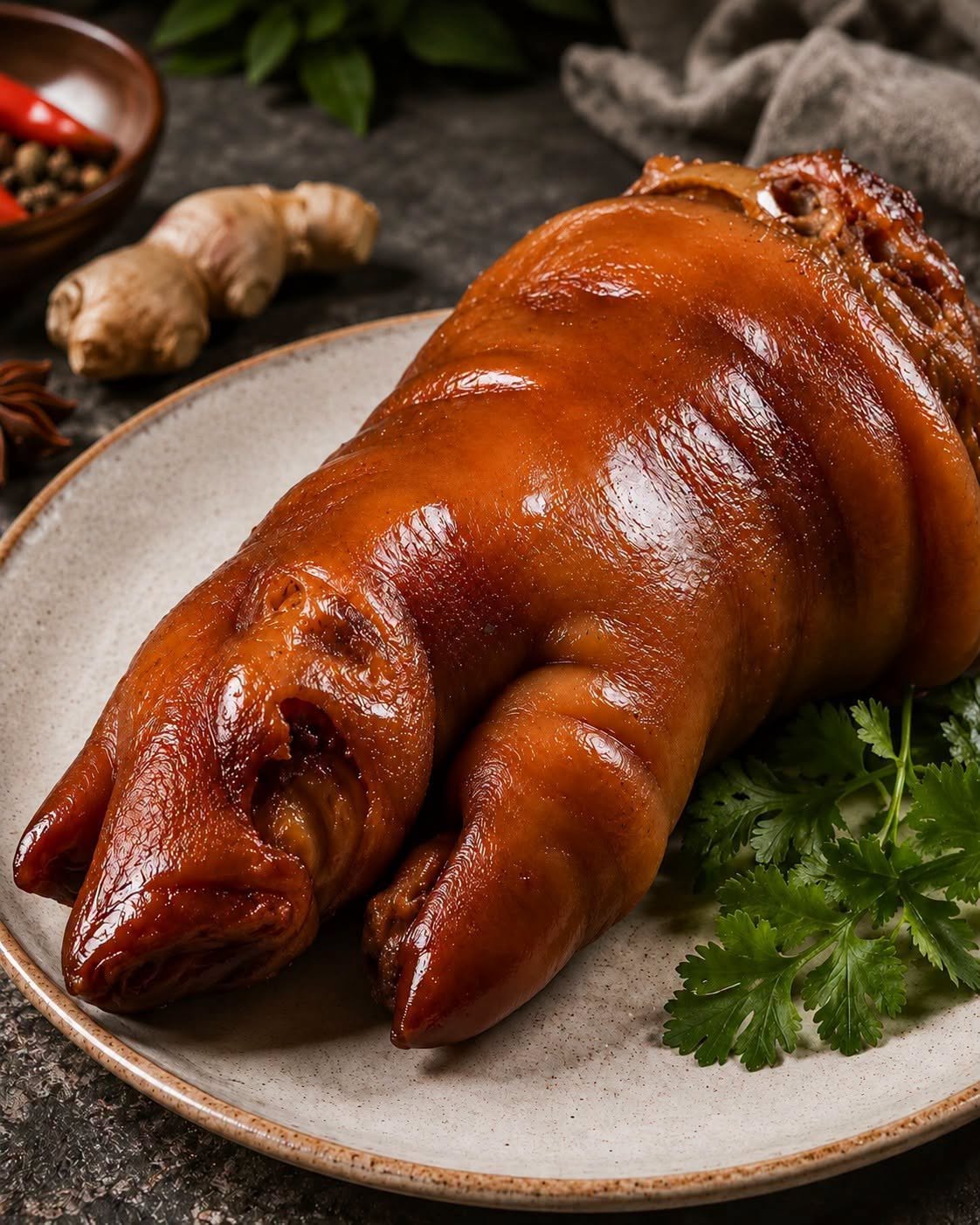
1. Collagen Converts to Bioavailable Gelatin Pork legs contain dense layers of tendon, cartilage, and skin. During low-and-slow cooking methods like braising or simmering, the tough collagen protein hydrolyzes into gelatin.
-
Joint & Skin Support: Gelatin breaks down into essential amino acids—primarily glycine, proline, and hydroxyproline—which act as building blocks for joint cartilage, connective tissue, and skin elasticity.
-
Gut Health: Glycine aids in strengthening the mucosal lining of the digestive tract, making slow-cooked leg cuts particularly easy on gut tissue once digested.
2. High Essential Mineral & B-Vitamin Delivery The marrow-rich bones and surrounding muscle tissue deliver concentrated micronutrients:
-
Vitamin B12 & Niacin: Essential for red blood cell synthesis, nerve function, and converting food into cellular energy.
-
Bioavailable Minerals: Rich in zinc, iron, phosphorus, and selenium, which support immune function and metabolic signaling.
3. Dietary Fat Dynamics & Satiety The fat profile of pork leg varies by cut and preparation:
-
Saturated vs. Unsaturated Fat: Pork fat contains a mix of saturated fat and monounsaturated oleic acid (the same fat found in olive oil). While fat slows digestion and promotes long-lasting fullness, consuming the thick outer skin adds substantial caloric density.
-
Cholesterol Impact: Regular consumption of skin-heavy cuts can increase LDL cholesterol levels in sensitive individuals if not balanced with fiber-rich vegetables.
4. Sodium & Curing Considerations Smoked or cured pork hocks often contain high levels of sodium and nitrates added during processing. Excessive sodium intake can lead to temporary fluid retention and blood pressure spikes. Opting for fresh, uncured pork legs cooked with natural herbs and spices provides the nutritional benefits without the elevated salt