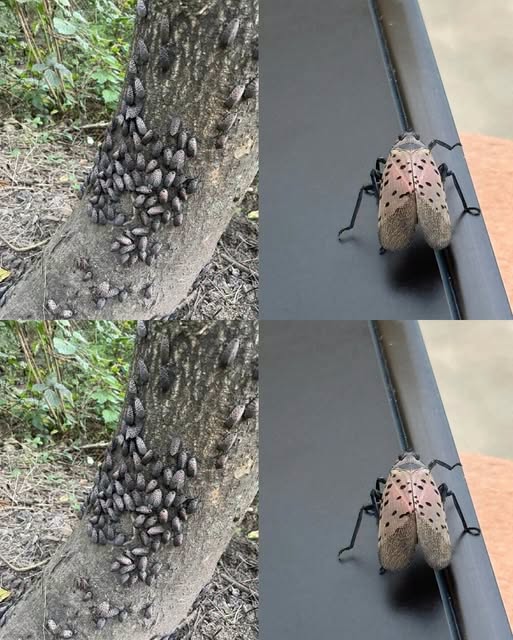
The alarm bells have been ringing for several years, and for residents in an increasing number of states, the warning has become a reality. “They are here! I’ve spotted several in my backyard,” is a cry that’s becoming all too common,accompanied by photos of a striking, yet destructive, insect.
The culprit is the Spotted Lanternfly (SLF), Lycorma delicatula, an invasive planthopper from Asia. While its appearance—gray forewings with black spots and vibrant red hindwings with black spots and a white band—might be beautiful to some, it is a significant threat to agriculture, forestry, and homeowners’ properties.
Why the Concern?
Unlike some pests that target a single type of plant, the spotted lanternfly is a voracious feeder on over 70 different species. Its preferred host is another invasive species, the Tree-of-Heaven (Ailanthus altissima), but it also poses a major threat to economically important crops, including:
-
Grapes (making vineyards a prime target)
-
Hops
-
Fruit trees (apples, peaches, cherries)
-
Hardwood trees (maple, oak, walnut, and more)
The damage isn’t from the insects eating the leaves, but from them using their piercing-sucking mouthparts to feed on the sap of stems, leaves, and trunks. This weakens the plant and can lead to its death.
The “Honeydew” Problem
As they feed, spotted lanternflies excrete a sugary, sticky substance known as “honeydew.” This isn’t just unpleasant; it creates two major problems:
-
Sooty Mold: The honeydew coats leaves, branches, and anything beneath the infested area (decks, cars, patio furniture). This honeydew leads to the growth of a black fungus called sooty mold. While sooty mold itself doesn’t feed on the plant, it can block sunlight, hindering photosynthesis, and is very difficult to clean off surfaces.
-
Attracting Other Pests: The sweet smell of the honeydew attracts other insects, such as wasps, bees, and ants,creating further nuisance and potential dangers for homeowners and their families.
What to Do If You Spot Them: