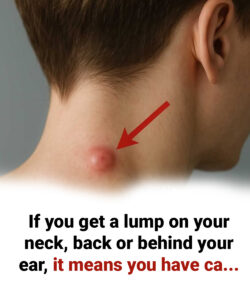
The Most Common Reason: Swollen Lymph Nodes
In many cases, a lump in these areas is simply a swollen lymph node. Lymph nodes are part of your immune system, and they often swell when your body is fighting:
-
A cold or flu
-
An ear or throat infection
-
Dental issues
-
Skin infections or inflammation
These lumps are usually:
-
Soft or rubbery
-
Tender to the touch
-
Movable under the skin
-
Temporary, shrinking as you recover
Other Possible Causes of Lumps
Cysts
Blocked oil glands can cause cysts that feel firm or squishy. They’re usually harmless but can become infected.
Boils or Abscesses
Painful, red lumps filled with pus—often caused by bacterial infection.
Lipomas
Soft, fatty growths that grow slowly and are almost always benign.
When a Lump Deserves Immediate Attention
While many lumps are harmless, doctors warn that certain signs should never be ignored, as they may point to more serious conditions—sometimes referred to as “silent” because they develop without pain.
Seek medical advice if a lump is:
-
Hard and immovable
-
Painless but growing
-
Present for more than 2–3 weeks
-
Accompanied by unexplained weight loss
-
Associated with night sweats or persistent fatigue
-
Paired with difficulty swallowing or breathing
In rare cases, persistent lumps—especially enlarged lymph nodes—can be linked to underlying cancers, immune disorders, or chronic infections.
Why Early Evaluation Matters
Many serious conditions are highly treatable when caught early. The danger comes not from the lump itself, but from ignoring it for too long. Doctors emphasize that checking a lump does not mean something is wrong—it means you’re being proactive.
A simple physical exam, blood test, or imaging scan can often provide reassurance—or lead to early treatment if needed.
What You Should Not Do
-
Don’t repeatedly poke or squeeze the lump
-
Don’t self-diagnose based on internet headlines
-
Don’t assume “no pain” means “no problem”
The Bottom Line
A lump on the neck, back, or behind the ear does not automatically mean cancer—but it is a signal from your body that deserves attention. Most causes are harmless and temporary, but persistent or unusual lumps should always be evaluated by a healthcare professional.
Listening to your body, acting early, and seeking clarity—not fear—is the smartest response.