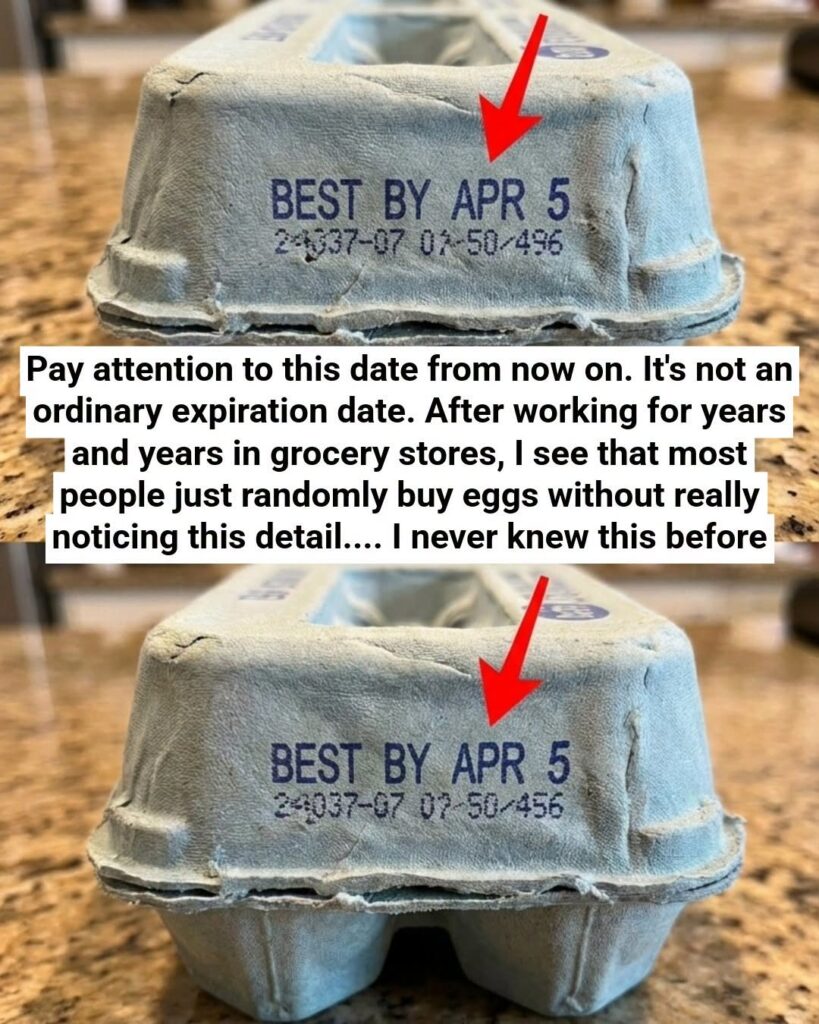
How to Read It on the Shelf
-
001 means the eggs were packaged on January 1st.
-
032 means they were cartoned on February 1st.
-
365 means they were packed on the very last day of the year.
While it takes a bit of mental math to figure out the exact day of the month, the baseline rule for grocery shopping is incredibly simple: the higher the three-digit number, the fresher the eggs. If you are looking at two different cartons on a shelf, comparing the Julian codes will instantly reveal which batch spent less time sitting in a warehouse or transit truck.
What Do the Other Numbers Mean?
The Julian date isn’t the only secret code stamped on the carton. If you look at the surrounding digits, you will typically find a few other key pieces of industry data:
-
The Plant Code (P-Number): Often preceding or sitting right next to the Julian date, you will find a four-digit number starting with a capital “P” (e.g., P-1888). This is a unique identifier assigned by the USDA to the specific processing facility where the eggs were inspected and packaged.
-
Time Stamps: Many modern, automated packing facilities also print a precise military timestamp (like the “07:50” seen in the image above) to log the exact minute that specific carton passed under the automated inkjet printer on the assembly line.
The next time you fill your grocery cart, take an extra three seconds to look past the expiration date. Cracking the code on the side of the carton ensures you are always taking home the absolute freshest ingredients for your kitchen.