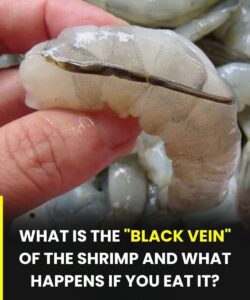
If you’ve ever cleaned shrimp before cooking, you’ve probably noticed a thin black line running along its back. Many recipes tell you to remove it, while others barely mention it at all. So what is that black vein—and does it really matter if you eat it?
Let’s clear it up in simple, honest terms.
The “Black Vein” Isn’t Actually a Vein
Despite the name, the black line in shrimp isn’t a vein at all. It’s the shrimp’s digestive tract, sometimes called the intestinal tract. This is where waste passes through the shrimp’s body.
Because shrimp are small, whatever is inside that tract is often visible from the outside—especially in larger shrimp. That’s why the line can look dark or black.
What’s Inside It?
The contents can vary depending on what the shrimp was eating before it was caught. It may contain:
-
Sand or grit
-
Microscopic food particles
-
Waste material
This is also why the line sometimes looks darker or more noticeable in some shrimp than others.
Is It Safe to Eat?
Yes—eating the black vein will not make you sick. Shrimp sold for consumption are cleaned and handled under food safety standards, and cooking kills harmful bacteria.
That said, while it’s safe, it’s not always pleasant.
Why Do People Remove It?
The main reasons are: