3. Natural Color Variation
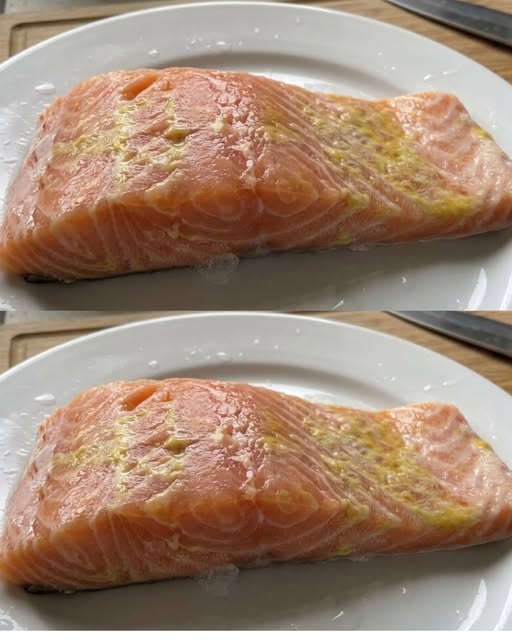
Not all salmon is the same. Depending on the type of salmon and its diet, the flesh can vary in color—from deep pink to orange to slightly yellowish tones.
Farm-raised salmon, in particular, may sometimes show uneven coloring after thawing.
4. Residual Oils or Albumin
Sometimes what looks yellow may actually be a mix of natural oils or proteins that have shifted during freezing and thawing. This is especially common if the fish wasn’t vacuum-sealed.
When Yellow Salmon Might Be a Problem
While yellowing is often harmless, there are situations where you should be cautious.
Watch out for:
- Strong, sour, or ammonia-like smell
- Slimy or sticky texture
- Dull, grayish color along with yellowing
- Unusual spots or mold-like patches
If you notice any of these signs, it’s best not to take chances—discard the fish.
How to Prevent Yellowing in the Future
If you want to keep your salmon looking and tasting fresh, a few simple storage tips make a big difference:
- Vacuum seal or wrap tightly to limit air exposure
- Store at consistent freezing temperatures
- Use within 2–3 months for best quality
- Thaw slowly in the refrigerator instead of at room temperature
These steps help preserve both color and flavor.
Is It Still Safe to Eat?
In most cases, yes—salmon with slight yellowing is safe if:
- It smells fresh (mild, ocean-like scent)
- The texture is firm, not slimy
- It was properly stored and thawed
You can trim off any discolored areas if you’re unsure, especially if they look dry or faded.
The Bottom Line
Seeing yellow on defrosted salmon can be surprising, but it’s usually just a natural result of fat oxidation or minor freezer effects—not spoilage. The key is to rely on your senses: smell, texture, and overall appearance.
When in doubt, trust your instincts. But more often than not, that salmon is still perfectly fine to cook and enjoy.