3. “Brain Fog” That Won’t Lift
Difficulty concentrating, forgetfulness, and mental sluggishness are commonly reported symptoms.
People often describe it as:
- Thinking more slowly than usual
- Trouble focusing on tasks
- Forgetting simple things
Because B12 supports brain and nerve function, low levels can directly affect cognitive clarity.
4. Pale or Slightly Yellowish Skin
A subtle change in skin tone can be a hidden clue. B12 deficiency can reduce red blood cell production, leading to anemia.
This may cause:
- Pale complexion
- Slight yellow tint (due to bilirubin buildup from cell breakdown)
- Dark circles under the eyes
These changes often develop gradually and may go unnoticed at first.
5. Unusual Fatigue That Sleep Doesn’t Fix
Feeling tired all the time—even after a full night’s sleep—can be more than just burnout.
Without enough B12, your body produces fewer healthy red blood cells, meaning less oxygen reaches your tissues. The result is persistent, unexplained exhaustion.
6. Sore Tongue or Strange Taste Changes
A smooth, swollen, or sore tongue can be an unexpected sign of deficiency.
Some people also report:
- Burning sensation in the tongue
- Changes in taste perception
- Mouth sensitivity
This occurs due to inflammation of oral tissues linked to low B12 levels.
7. Balance Problems or Unsteady Walking
Vitamin B12 is crucial for nerve signaling related to coordination and movement. When levels are low, some people notice:
- Slight wobbliness while walking
- Difficulty balancing in the dark
- Clumsiness or frequent tripping
These symptoms can develop gradually and worsen if untreated.
8. Shortness of Breath or Rapid Heartbeat
Even mild activity may leave you feeling unusually winded or cause your heart to race.
This is often linked to anemia caused by B12 deficiency, where fewer red blood cells are available to carry oxygen throughout the body. The heart works harder to compensate.
What Causes Low Vitamin B12?
Several factors can lead to deficiency, including:
- Poor dietary intake (especially in strict vegan diets without supplementation)
- Age-related absorption issues
- Digestive disorders affecting absorption
- Certain medications that reduce stomach acid
- Pernicious anemia (an autoimmune condition affecting B12 absorption)
Why Early Detection Matters
The nervous system depends heavily on vitamin B12. If deficiency continues untreated, nerve damage can become long-lasting or even permanent in severe cases.
Early symptoms are often reversible with proper treatment, which may include dietary changes, supplements, or B12 injections depending on severity.
Final Thoughts
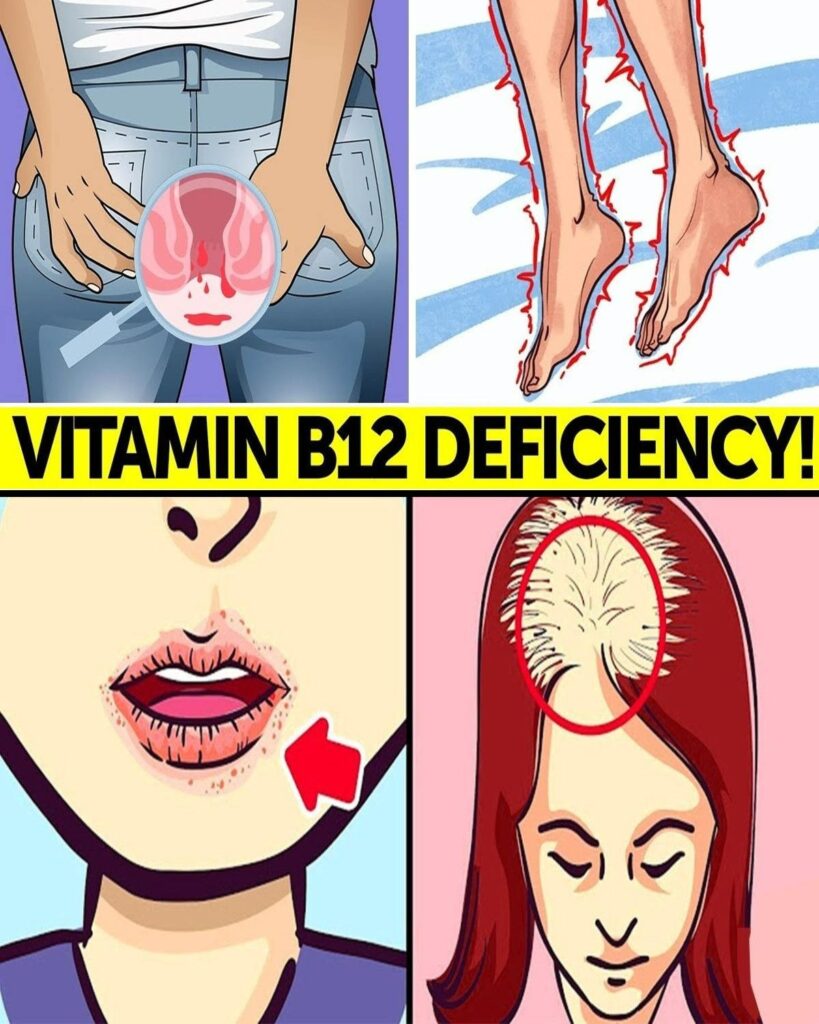
Vitamin B12 deficiency often hides behind vague, confusing symptoms—fatigue, mood changes, tingling sensations, or mental fog. Because these signs can be mistaken for everyday stress or lifestyle issues, they are frequently ignored.
Paying attention to these subtle warnings can make a significant difference in preventing long-term health problems. If several of these symptoms appear together or persist, it’s worth considering a nutritional evaluation with a healthcare professional