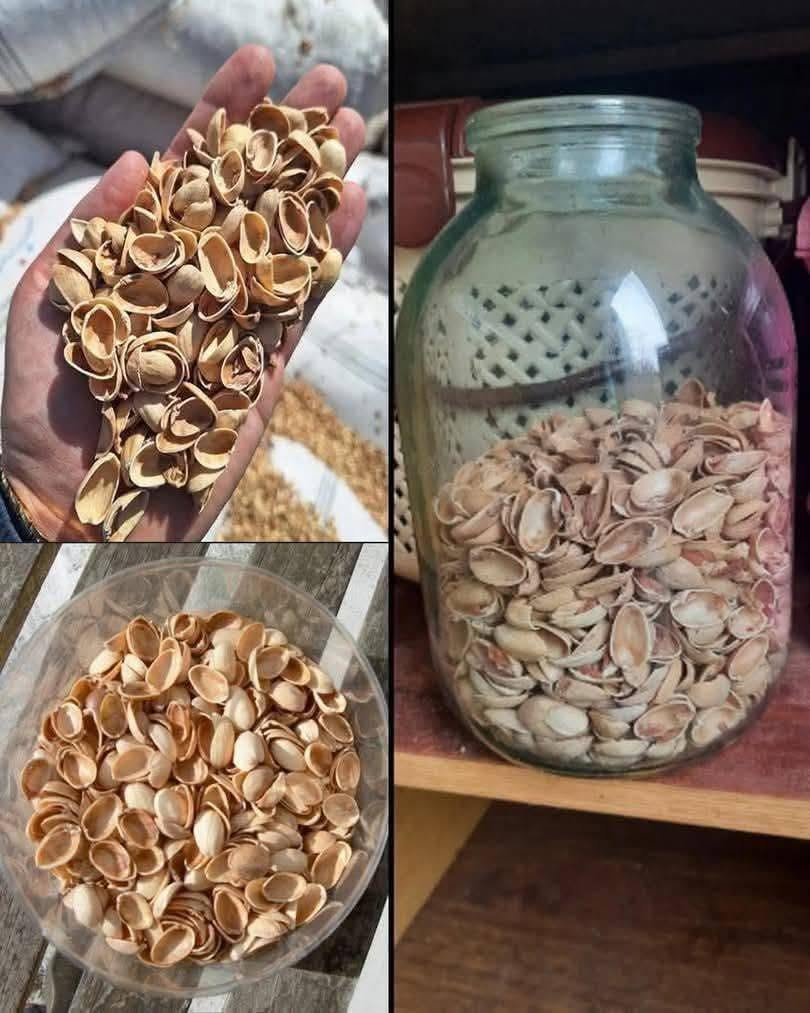
Crack open a bag of pistachios, and it is almost impossible to stop until you are staring at a mini mountain of empty hulls. For most of us, that pile goes straight into the trash. But if you have a habit of tossing them out, you are throwing away a surprisingly versatile, sturdy, and entirely natural resource.
Pistachio shells take a remarkably long time to biodegrade, making them an excellent material for upgrading your garden, protecting your houseplants, or getting crafty.
Before you toss your next handful, here is how you can give those empty shells a brilliant second life.
The Golden Rule: Wash Them First!
Before using pistachio shells anywhere—especially near plants or animals—there is one crucial step you cannot skip: de-salting.
Most snack-ready pistachios are heavily salted. If you put salted shells directly into garden soil or a potted plant, the sodium will leach into the earth, dehydrating your plants and damaging their roots.
How to prep your shells: Dump the shells into a colander, rinse them thoroughly under warm water, and let them soak in a bowl of fresh water overnight. Give them one final rinse the next morning, spread them out on a towel, and let them dry completely in the sun.
1. Upgrade Your Garden and Houseplants
Pistachio shells are practically custom-made for green thumbs. Because they are rigid, hollow, and slow to break down, they serve several genius functions in the dirt.
The Ultimate Bottom-of-the-Pot Drainage Layer
If you love houseplants, you know that proper drainage is everything. Instead of buying expensive gravel or terracotta shards to line the bottom of your planters, fill the bottom inch with empty pistachio shells. They create the perfect porous barrier that allows excess water to escape, preventing dangerous root rot.
A Natural Pest Deterrent
Slugs, snails, and curious neighborhood cats hate walking on sharp, uneven surfaces. Crush your cleaned pistachio shells slightly and scatter them in a thick ring around the base of vulnerable outdoor plants. It creates a natural, scratchy fortress that soft-bellied pests will completely avoid.
Slow-Release Mulch
Because they take years to fully decompose, a layer of shells on top of your garden beds or indoor pots acts as an excellent organic mulch. They help lock moisture into the soil, regulate temperature, and prevent weeds from sprouting. Over time, as they do eventually break down, they add valuable organic matter back into the ecosystem.
2. Clever Household Hacks
Beyond the garden, the unique texture and shape of these shells can solve a few pesky everyday problems: