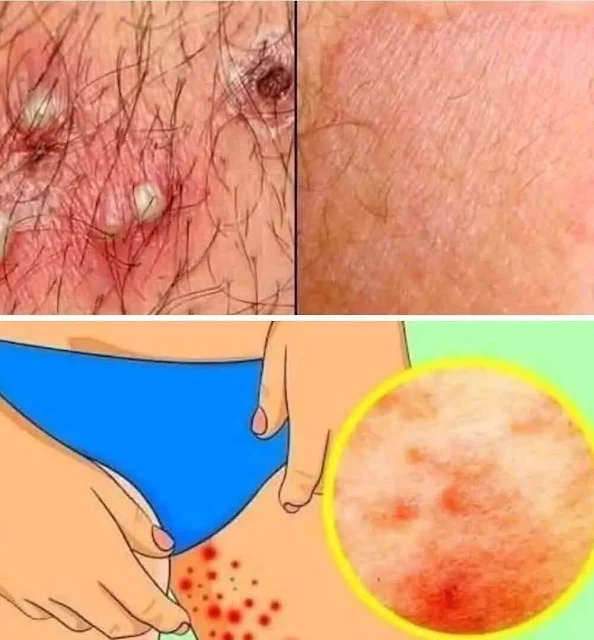
Red Flags That Your Groin Bump is HS
Because early-stage HS looks identical to a standard boil or ingrown hair, it takes an average of seven years for patients to receive an accurate diagnosis. Look for these specific patterns:
-
The Recurrence Factor: A standard boil or ingrown hair is a one-off event. HS nodules consistently reappear in the exact same location or neighboring areas.
-
Symmetrical Patterns: If you get a painful bump on the left side of your groin crease, a similar one often appears on the right side over time.
-
Deep, Throbbing Pain: HS lumps form deep under the skin surface and are notoriously painful, often making walking, sitting, or wearing tight clothing uncomfortable well before a bump is fully visible.
-
Tunnels Under the Skin: In moderate to advanced stages (as shown in the diagram above), the body attempts to heal by creating narrow channels or “sinus tracts” beneath the skin surface, connecting multiple lumps.
Managing and Treating the Bump
If you suspect your recurring groin bump might be HS, a dermatologist can help tailor a treatment plan to manage the inflammation.
A Crucial Note on Drainage: Avoid trying to squeeze or pop a deep groin lump yourself. Squeezing pushes the inflammation deeper into the tissue, accelerating the formation of painful under-skin tunnels and scarring.
If you are dealing with a painful bump in the groin that refuses to clear up, step away from the heating pads and home remedies, and skip the internet search spirals. Scheduling a visit with a dermatologist can give you answers, relief, and a clear path toward healing