Why Partial Eclipses Are Still Spectacular
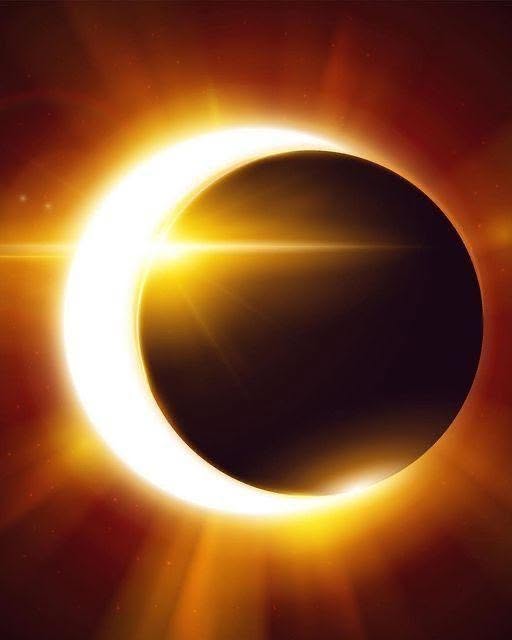
Even without complete daytime darkness, a deep partial eclipse creates unique optical phenomena:
The Pinhole Effect: Look at the shadows cast beneath a leafy tree during a partial eclipse. The tiny gaps between leaves act as natural pinhole cameras, projecting hundreds of miniature crescent suns across the ground.
-
Light Shifts: At 80%+ coverage, sunlight loses its warmth and takes on a silvery, ethereal quality, making landscapes look eerie and desaturated.
-
Temperature Drops: A significant partial obscuration causes air temperatures to dip by several degrees over the course of an hour.
Safe Viewing Practices
During any partial solar eclipse, there is no moment when it is safe to look directly at the Sun with the naked eye.
-
ISO 12312-2 Certified Glasses: Standard sunglasses—no matter how dark—do not protect against solar radiation.
-
Pinhole Projection: Punch a tiny hole in a card and project the Sun’s image onto a second white surface behind it.
-
Optical Equipment Filters: Telescopes, binoculars, and camera lenses require specialized front-mounted solar filters. Looking through unfiltered optics while wearing eclipse glasses can melt the glasses’ filters instantaneously