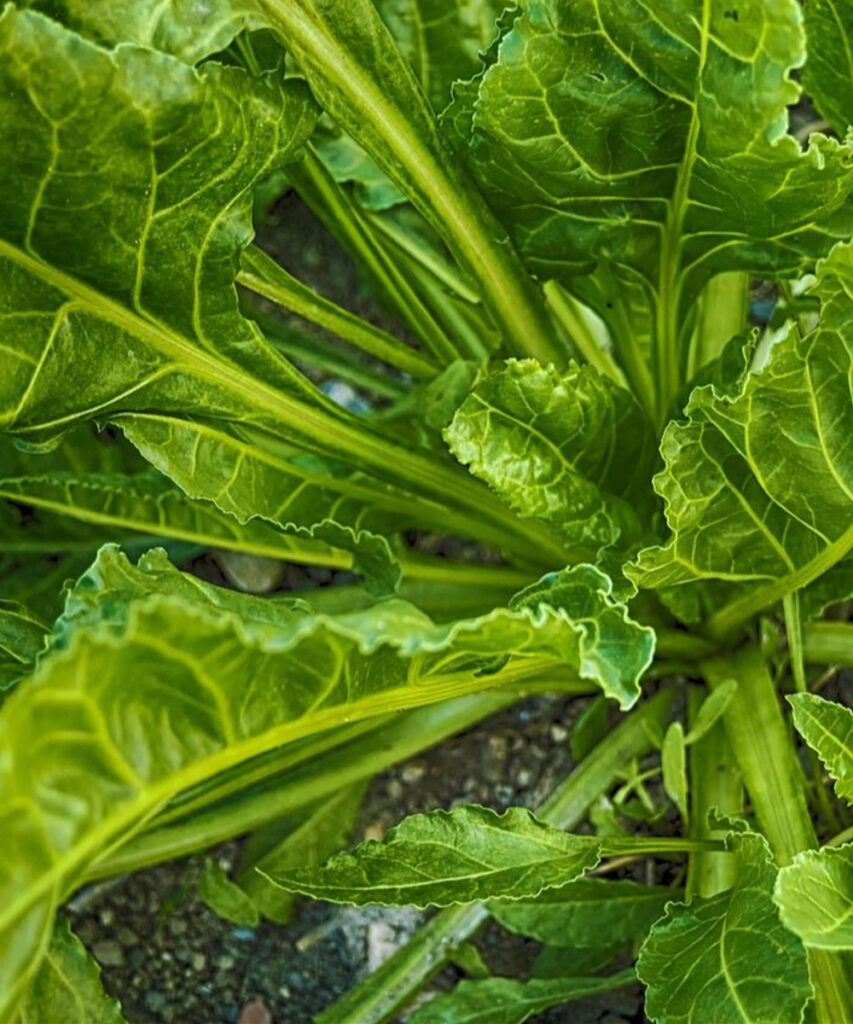
The Nutritional Benefits of Spinach
Spinach is often praised for good reason—it’s packed with essential vitamins and minerals while remaining low in calories.
1. Rich in Vitamins and Minerals
Spinach is loaded with:
- Vitamin A (supports vision and skin health)
- Vitamin C (boosts immunity)
- Vitamin K (important for blood clotting and bone health)
- Iron (helps carry oxygen in the blood)
- Magnesium (supports muscle and nerve function)
2. Supports Heart Health
The nitrates naturally found in spinach may help improve blood flow and reduce blood pressure, supporting overall cardiovascular health.
3. Aids in Digestion
Spinach contains fiber, which promotes healthy digestion and helps maintain a balanced gut.
4. Antioxidant Power
It’s rich in antioxidants like lutein and zeaxanthin, which help protect cells from damage and support eye health.
5. Weight-Friendly Food
Low in calories but high in nutrients, spinach is ideal for those looking to maintain or lose weight while still nourishing their bodies.
Contraindications: When to Be Careful
While spinach is highly nutritious, it may not be suitable for everyone in large amounts.
1. High Oxalate Content
Spinach contains oxalates, which can contribute to kidney stone formation in some individuals. Those prone to kidney stones may need to limit intake.
2. Interference with Mineral Absorption
Oxalates can also reduce the absorption of calcium and iron, especially when spinach is eaten raw in large quantities.
3. Vitamin K and Blood Thinners
Spinach is very high in vitamin K, which can interfere with blood-thinning medications. People taking such medications should keep their intake consistent and consult a healthcare provider.
4. Digestive Sensitivity
For some people, eating too much spinach—especially raw—can cause bloating or digestive discomfort.
A Simple and Delicious Spinach Recipe
Garlic Sautéed Spinach
This quick recipe enhances spinach’s natural flavor while keeping it healthy and easy.
Ingredients:
- 4 cups fresh spinach
- 2 cloves garlic, minced
- 1 tablespoon olive oil
- Salt and pepper to taste
- Optional: a squeeze of lemon juice
Instructions:
- Heat the Oil
In a large pan over medium heat, warm the olive oil. - Add Garlic
Add the minced garlic and sauté for about 30 seconds until fragrant. - Add Spinach
Toss in the fresh spinach. It may look like a lot at first, but it will quickly wilt down. - Cook Briefly
Stir for 2–3 minutes until the spinach is wilted but still vibrant green. - Season and Serve
Add salt, pepper, and a squeeze of lemon juice if desired. Serve immediately.
Tips for Enjoying Spinach Safely
- Balance raw and cooked forms: Cooking spinach reduces oxalate levels.
- Pair with vitamin C foods: Helps improve iron absorption.
- Don’t overconsume: Moderation is key, especially for those with specific health concerns.
Final Thoughts
Spinach is one of the most nutrient-dense foods you can add to your diet. Its benefits range from supporting heart and eye health to aiding digestion and providing essential vitamins. However, being mindful of its oxalate content and potential interactions ensures you get the most out of it safely.
Incorporating spinach into simple recipes like sautéed greens makes it easy to enjoy its goodness without complication. With the right balance, spinach can be a delicious and valuable part of a healthy lifestyle.