Why Do People Remove It?
The main reasons are:
-
Texture: It can feel gritty, especially if it contains sand
-
Appearance: Some people find it unappetizing
-
Flavor: In rare cases, it may taste slightly bitter
For these reasons, many cooks choose to remove it, particularly when serving shrimp whole or in dishes where presentation matters.
What Happens If You Eat It?
In most cases—nothing at all. You won’t get sick, poisoned, or harmed. At worst, you might notice a slightly unpleasant texture or taste.
Many people eat shrimp with the vein intact all the time, especially in dishes like stir-fries, soups, or fried shrimp, and never notice it.
When Is It Best to Remove It?
-
When cooking large shrimp or prawns
-
When serving shrimp whole or on display
-
When you want the cleanest flavor and texture
Smaller shrimp often have barely noticeable veins, and many are pre-cleaned before packaging.
The Bottom Line
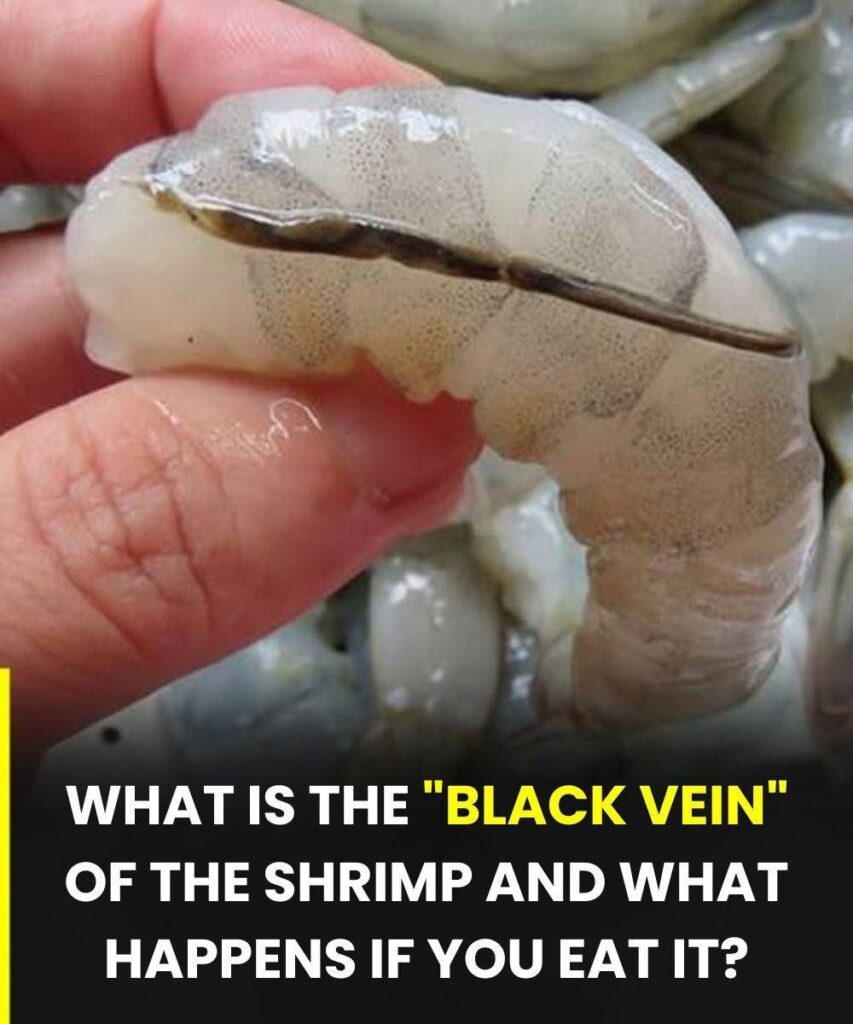
The black vein in shrimp is simply its digestive tract—not a vein, and not dangerous. Eating it won’t harm you, but removing it can improve the look and texture of your dish.
So whether you choose to devein shrimp or not comes down to personal preference, not safety.
Once you know what it really is, you can decide what works best for your kitchen—no mystery, no fear, just good food.